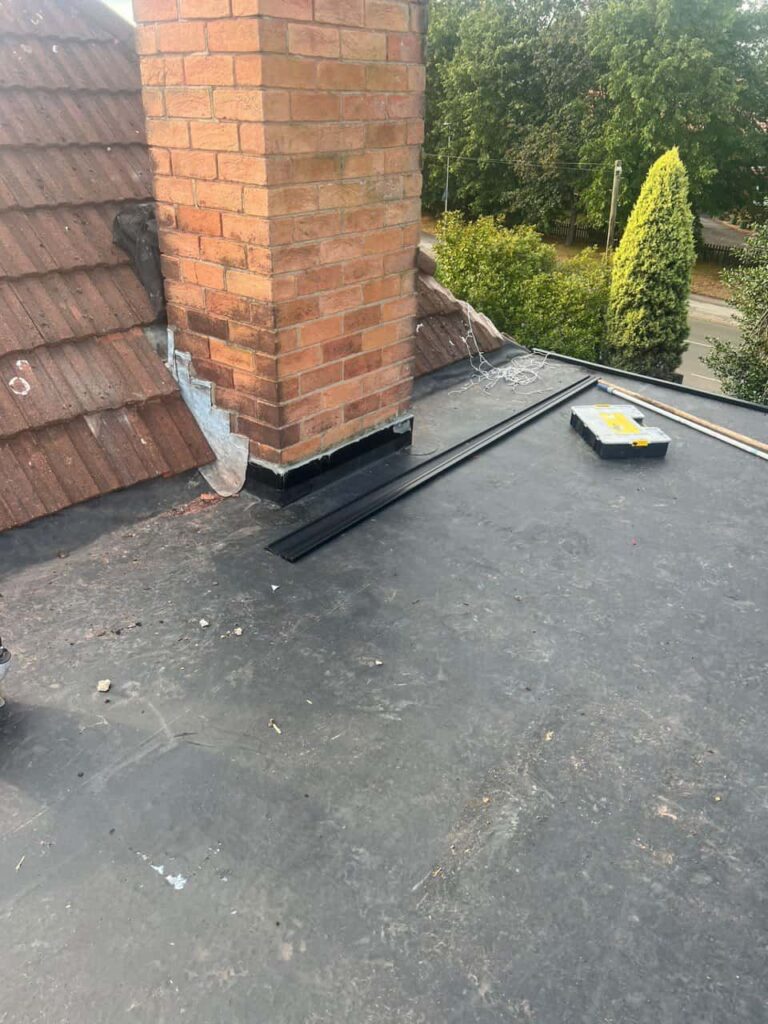
When water appears inside a property, it is natural to look for a cracked or missing roof tile. However, pitched roofs contain several layers and weatherproofing details, any of which can develop a defect while the visible tiles remain intact.
Rain can enter through failed flashing, damaged underlay, defective junctions or poorly aligned coverings. It may then travel through the roof structure before appearing on a ceiling some distance from the original entry point. This is why professional roof assessment is important even when the roof looks sound from ground level.
Hidden Causes of Leaks in Apparently Sound Pitched Roofs
Tiles form the main external covering, but they do not work alone. Their position, overlap, fixings and connections with other roof components all contribute to weather protection. A fault in one detail can allow water beneath an otherwise presentable surface.
Tiles May Have Moved Slightly
A tile does not need to be visibly broken or missing to create a problem. Minor movement can reduce the overlap between neighbouring tiles or expose part of the layer beneath.
From ground level, the affected section may still appear complete. Close inspection may reveal that a tile has lifted, slipped or become misaligned enough to admit wind-driven rain.
Fixings Can Deteriorate
Tiles rely on nails, clips, battens or other fixings to remain correctly positioned. These components are largely hidden once the roof has been installed.
If fixings loosen or deteriorate, individual tiles may move during windy conditions without falling from the roof. This movement can create small gaps that only leak when rain arrives from a particular direction.
Underlay Can Become Damaged
Roofing underlay provides secondary protection beneath the tiles. If water passes the outer covering, the underlay should help direct it towards the eaves.
Over time, underlay can tear, sag or deteriorate around fixings and penetrations. A small amount of rain passing beneath apparently sound tiles may then reach insulation, timbers and ceilings instead of being carried safely away.
Flashing May Be the Source
Lead flashing seals vulnerable junctions around chimneys, adjoining walls and changes in roof level. These details must accommodate movement while directing water onto the roof surface.
Flashing can lift, split, become displaced or separate from the material around it. Because the surrounding tiles may remain undamaged, the true cause of the leak can be easy to overlook.
Valleys Can Admit Water
A valley carries water from two adjoining roof slopes, so it can receive a considerable volume during heavy rainfall. Debris, movement, damaged lining or defects around the cut tiles can interfere with its performance.
Water may then pass beneath the surrounding covering even though the main field of tiles remains intact. Valley problems often require careful inspection because the entry point may be hidden beneath overlaps.
Ridge and Verge Details Can Fail
Ridges protect the highest junction of a pitched roof, while verges finish its outer edges. Movement or deterioration in these areas can create openings that are not easily seen from below.
Wind-driven rain may enter around loose ridge components, cracked mortar or defective dry-fix details. Water can then travel beneath several courses of tiles before becoming visible indoors.
Roof Penetrations Create Vulnerable Junctions
Vents, pipes, roof windows and other penetrations interrupt the continuous roof covering. Each requires properly formed seals and surrounding details.
A failed collar, flashing or joint can admit water while all nearby tiles remain in good condition. The leak may only appear during sustained rain or when water is driven against a particular side of the penetration.
Blocked Gutters Can Affect the Roof Edge
Gutters should carry water away from the eaves. When they become blocked, damaged or incorrectly aligned, water may overflow or back up towards the lower part of the roof.
This can affect fascia boards, the ends of rafters and internal finishes near outside walls. The roof tiles may look undamaged because the problem lies with drainage rather than the covering itself.
Poor Previous Repairs May Redirect Water
Sealants and surface patches can sometimes conceal a defect without restoring the roof’s intended drainage. Water may continue entering nearby or be diverted beneath the tiles.
A repair that focuses only on the visible internal stain can also miss the true source. Effective investigation must trace how water moves through the complete roof system.
Condensation Can Resemble a Roof Leak
Not every damp patch beneath a pitched roof is caused by rain entering from outside. Moist indoor air can condense on cold surfaces within the roof space, particularly where airflow is restricted.
Signs such as widespread dampness, moisture on roofing materials or repeated problems unrelated to rainfall may point towards condensation. A professional assessment helps distinguish this from a localised external defect.
Why the Internal Mark May Be Misleading
Water can follow underlay, battens and rafters before dripping onto the ceiling. The damp patch may therefore be several metres away from the damaged roof detail.
The pattern of the leak provides useful evidence. Important observations include:
- Whether it appears during light or heavy rain
- Whether wind direction affects it
- How quickly the mark develops
- Whether it occurs near a chimney, valley or wall
- Whether the roof space contains damp timber or insulation
- Whether the problem disappears during dry weather
These details help narrow down the likely source.
What a Professional Inspection Should Examine
A useful roof inspection considers the external covering and the hidden components supporting it. Depending on access, this may include:
- Tile alignment, overlaps and fixings
- Underlay and battens
- Lead flashing and roof junctions
- Valleys, ridges and verges
- Vents and other penetrations
- Gutters and eaves
- Roof-space timbers and insulation
- Evidence of previous repair work
This complete approach reduces the risk of repairing a sound area while leaving the real defect unresolved.
Conclusion
Pitched roofs can leak even when their tiles look fine because weather protection depends on more than the visible covering. Slight tile movement, failed flashing, damaged underlay, defective valleys and drainage problems can all allow moisture into the roof.
Giltbrook Roofing Repairs provides professional pitched-roof inspection and repair services in Giltbrook, Nottingham. If your roof is leaking but no obvious damage can be seen, contact our team to arrange an assessment and identify the source of the problem.
Call us on: 0115 647 1193
Click here to find out more about Giltbrook Roofing Repairs
Click here to complete our contact form and see how we can help with your roofing needs.