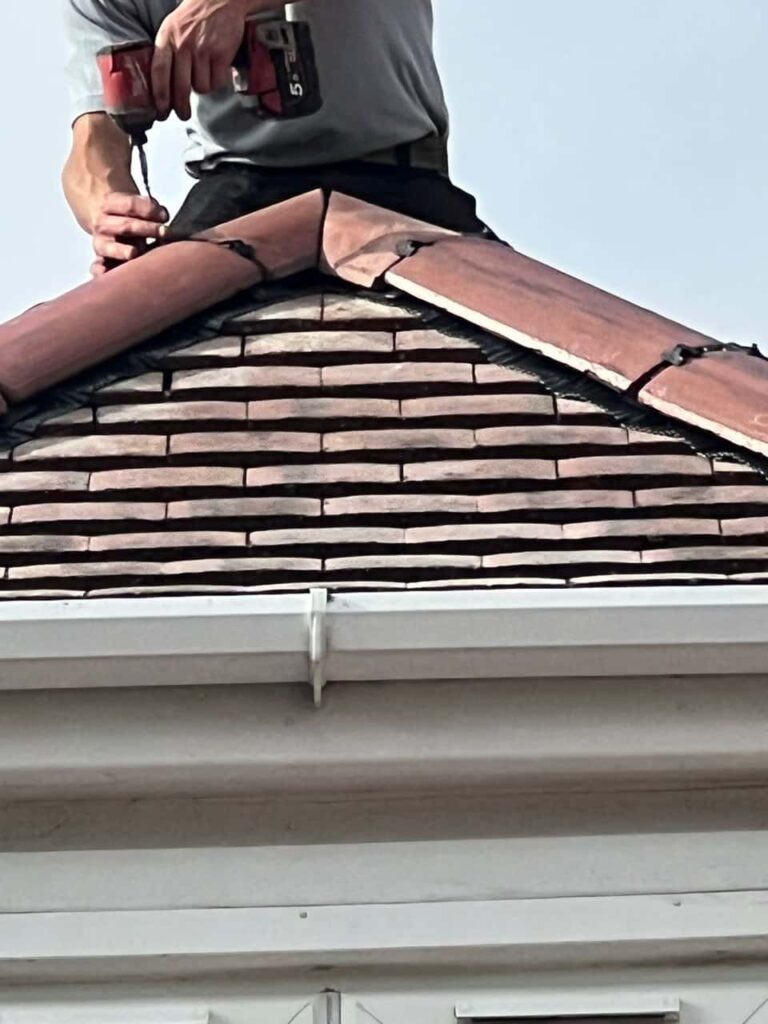
A roof needs more than a sound covering to remain in good condition. The space beneath the roof also requires suitable ventilation to help manage moisture and maintain a healthy internal environment. One important part of this system is soffit ventilation, which allows fresh air to enter the roof space through openings fitted along the underside of the roof eaves.
Without adequate airflow, moisture from everyday household activities can accumulate in the loft. Over time, this may contribute to condensation, damp insulation and deterioration of timber components. Understanding how soffit ventilation works can help property owners recognise potential problems and maintain their roofing systems effectively.
For homeowners in Giltbrook, Nottingham, Giltbrook Roofing Repairs can help assess roof ventilation and identify issues that may affect the condition of the roof space.
What Is Soffit Ventilation?
Soffits are the boards fitted underneath the overhanging edges of a roof. They form part of the roofline, covering the underside of the eaves while helping protect the roof structure from the elements.
Soffit vents are specially designed openings or ventilated panels that allow outside air to enter the roof space. They are commonly used as part of a roof ventilation system, working alongside suitable high-level ventilation to encourage air movement.
This arrangement helps fresh air enter at the lower part of the roof and move through the loft towards higher ventilation points. For the system to work effectively, the airflow path must remain clear and the ventilation provision must be appropriate for the roof design.
How Soffit Ventilation Helps Prevent Condensation
Condensation is a common concern in roof spaces, particularly when warm, moisture-laden air from inside the property reaches colder surfaces. Everyday activities such as cooking, bathing and drying clothes can introduce moisture into the indoor environment.
If this moisture enters the loft and ventilation is inadequate, it may condense on colder roof surfaces, including the underside of the roof covering and timber components.
Over time, persistent condensation can contribute to damp insulation, mould growth and deterioration of roof timbers. Soffit ventilation helps by providing an entry point for fresh air, supporting the movement of moist air out of the roof space.
However, ventilation alone may not resolve every condensation problem. Loft insulation, air leakage from the living space and the condition of the roof structure should also be considered.
Protecting Roof Timbers from Moisture Damage
Roof timbers, including rafters and battens, need to remain in suitable condition to support the roofing structure. Prolonged exposure to excessive moisture can encourage timber decay and create conditions that support fungal growth.
Poor ventilation can allow damp conditions to persist, particularly in colder periods when condensation is more likely to form. Although timber does not deteriorate immediately, repeated moisture exposure can gradually affect its condition.
A properly designed ventilation system helps reduce the likelihood of moisture becoming trapped within the roof space. During a roofing inspection, checking for signs of dampness, staining and timber deterioration can help establish whether ventilation needs attention.
Maintaining the Performance of Loft Insulation
Loft insulation plays an important role in reducing heat loss through the roof. However, its performance can be affected when it becomes damp.
Moisture can reduce the effectiveness of some insulation materials and may contribute to unpleasant smells or mould growth if the problem persists. Poorly positioned insulation can also obstruct ventilation openings around the eaves, preventing fresh air from entering the roof space.
Soffit vents need to remain unobstructed so that air can move freely into the loft. Suitable ventilation trays or baffles may be required to maintain a clear passage between the insulation and the underside of the roof covering.
This is particularly important where insulation has been added or increased, as ventilation arrangements should be checked to ensure they remain effective.
Common Signs of Poor Roof Ventilation
Ventilation problems are not always obvious from outside the property. However, certain warning signs may indicate that the roof space is not receiving sufficient airflow.
These can include:
- Condensation forming on the underside of the roof covering.
- Damp or compressed loft insulation.
- Musty smells within the loft.
- Mould growth on timber surfaces.
- Persistent moisture around the eaves.
- Ventilation openings that appear blocked by debris, paint or insulation.
These symptoms can have more than one cause, so it is important to assess the roof space as a whole rather than assuming that additional vents are always the answer.
Why Soffit Vents Must Be Properly Installed and Maintained
Effective soffit ventilation depends on correct positioning, suitable vent sizes and a clear route for air to travel into the roof space. Poorly installed vents may provide insufficient airflow or allow unwanted debris and pests to enter.
Existing vents can also become obstructed over time by dirt, paintwork or insulation that has been pushed into the eaves. Regular checks help identify these issues before they affect the ventilation system.
A professional roofer can assess the existing roofline, check whether the ventilation provision is suitable and identify any obstructions or installation defects. It is also important to consider the roof’s overall ventilation strategy, as simply adding soffit vents without adequate high-level outlets may not produce effective airflow.
When Should You Arrange a Roof Ventilation Inspection?
If you notice persistent condensation, damp insulation or signs of moisture within your loft, it may be time to arrange a professional assessment. An inspection is also worthwhile when replacing soffits, improving loft insulation or carrying out wider roofline repairs.
A roofer can examine the condition of the soffits, identify blocked ventilation openings and check for related roofing defects. Addressing the underlying cause is essential to maintaining a dry and properly ventilated roof space.
For property owners in Giltbrook, Giltbrook Roofing Repairs can provide professional roofing support to help assess ventilation concerns and identify suitable repair work.
Conclusion
Soffit ventilation plays an important role in maintaining a healthy roof space by allowing fresh air to enter beneath the roof eaves. When correctly designed and kept clear, it supports airflow, helps manage moisture and reduces the risk of persistent condensation affecting insulation and roof timbers.
If you have noticed signs of poor ventilation or are concerned about the condition of your roofline, contact Giltbrook Roofing Repairs in Giltbrook, Nottingham, to arrange a professional inspection and discuss the most appropriate solution for your property.
Call us on: 0115 647 1193
Click here to find out more about Giltbrook Roofing Repairs
Click here to complete our contact form and see how we can help with your roofing needs.